
Patients on chronic stable doses of warfarin or other anticoagulants who are prescribed ORLISTAT should be monitored closely for changes in coagulation parameters [see Clinical Pharmacology (12.3)]
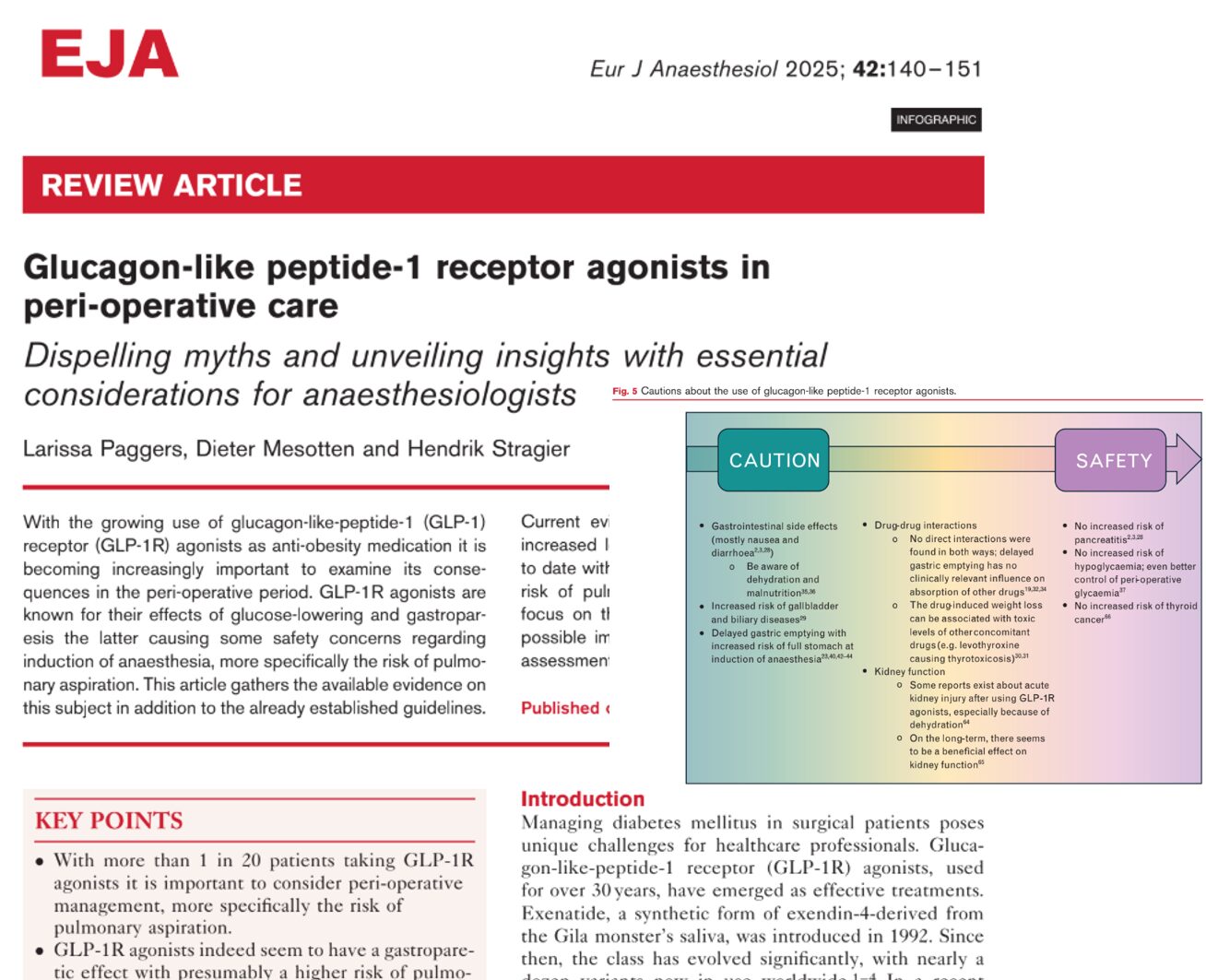
However, patients with renal impairment may be at higher risk for dehydration from gastrointestinal side effects, which requires clinical vigilance
While alternative medications may reduce gas-related issues, they come with their own potential side effects
Such molecular changes help to delineate putative mechanisms of action of the di-agonist, with consistent upregulation of factors involved in autophagy, neurotransmitter release, cytoskeletal remodeling, vesicle-mediated transport, and intracellular signaling, and downregulation of pathways related, among others, with oxidative stress, DNA repair and immune system in PWA mice, which showed consistent metabolic improvement at all doses of GLP1/E